HAIR CELL TOOL
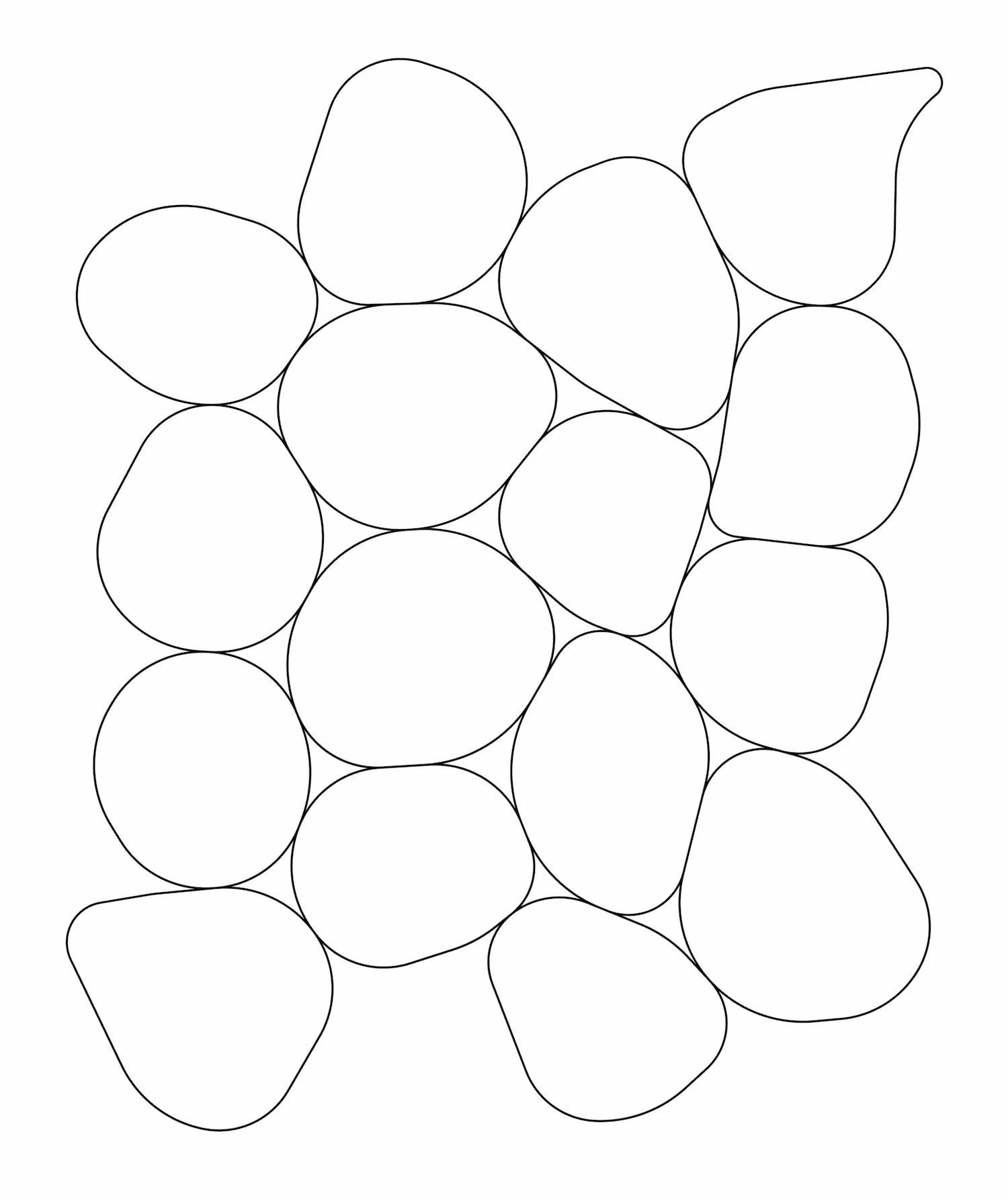
Base curves
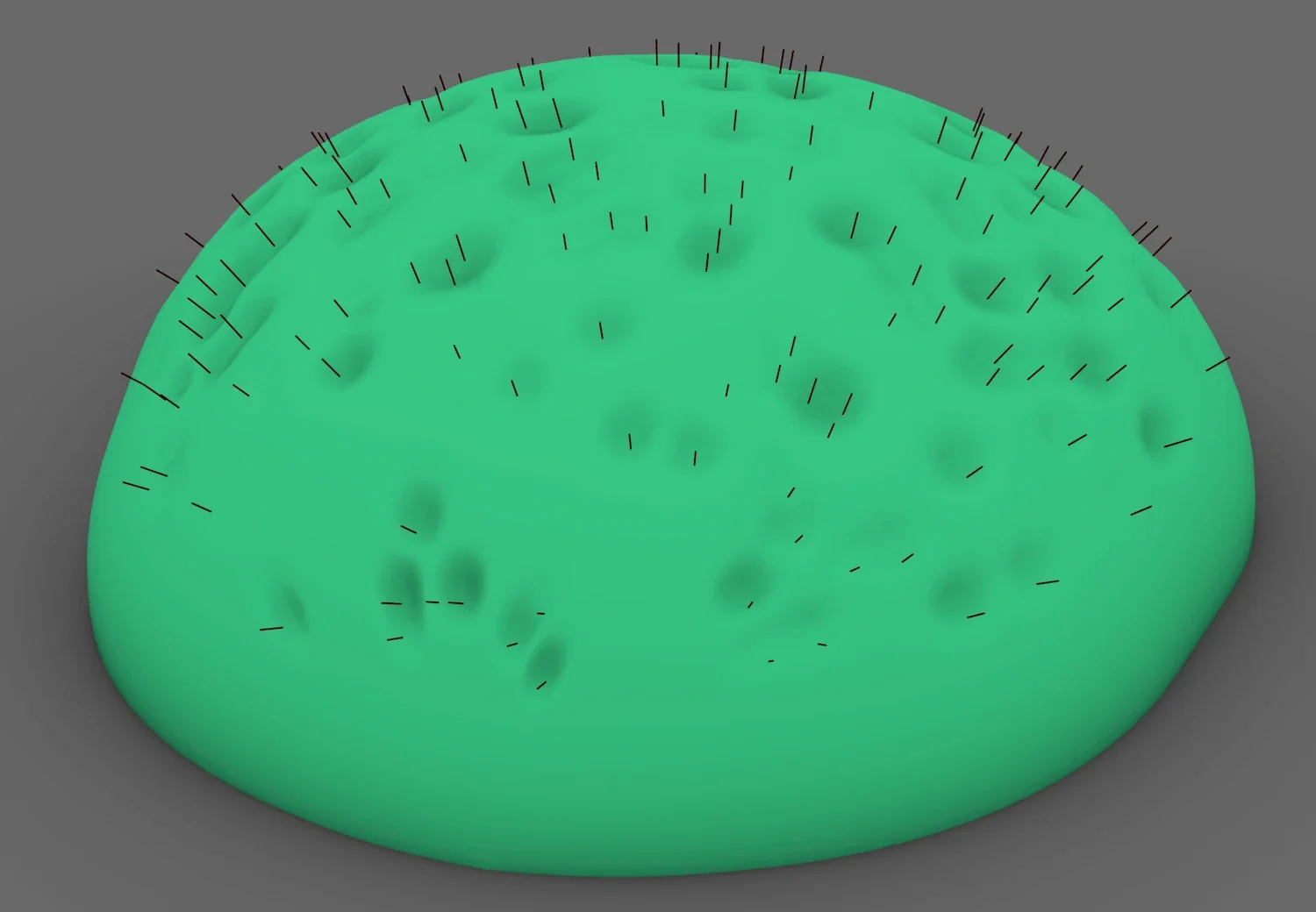
Normal Vectors
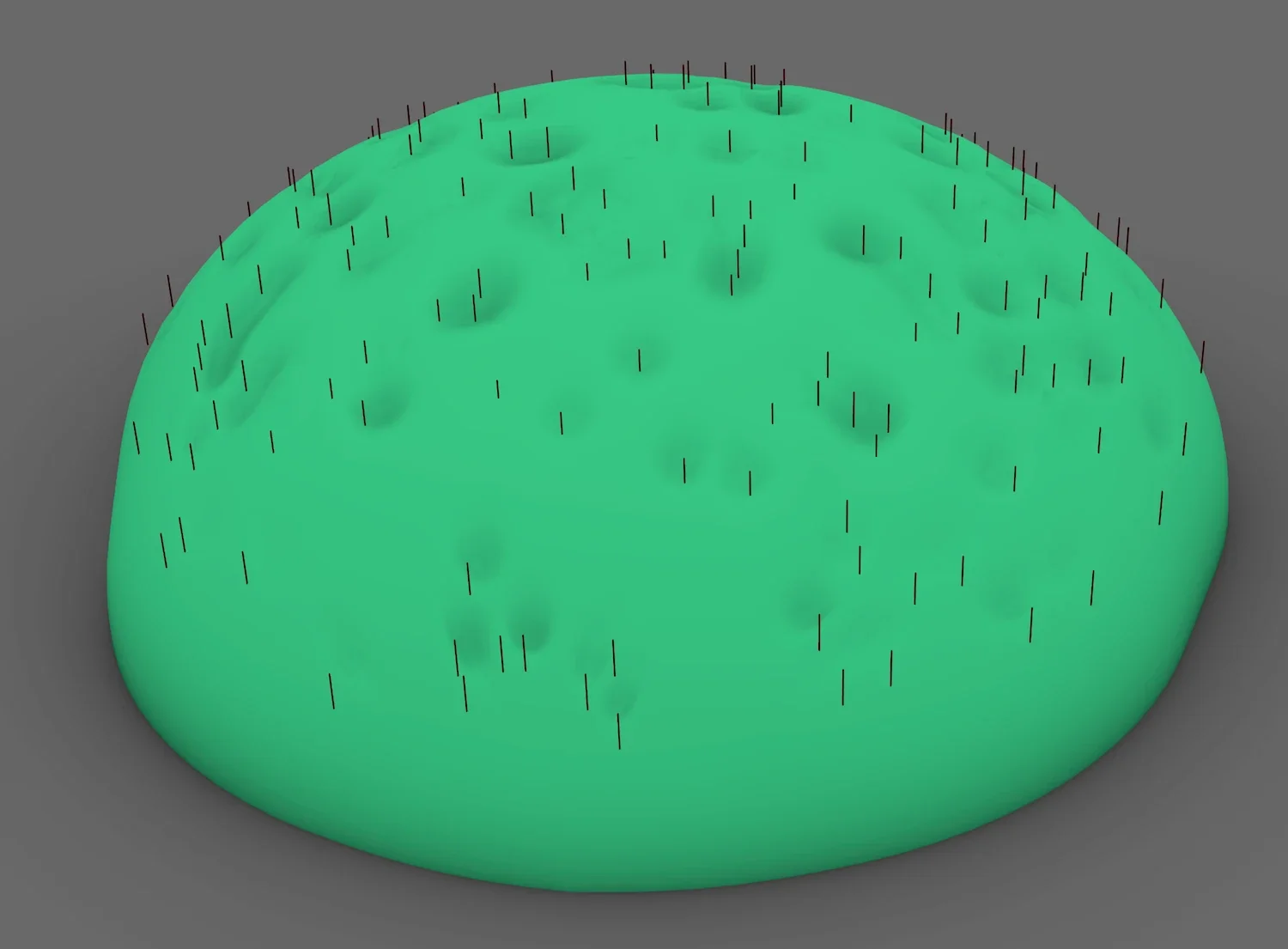
Z-Vectors
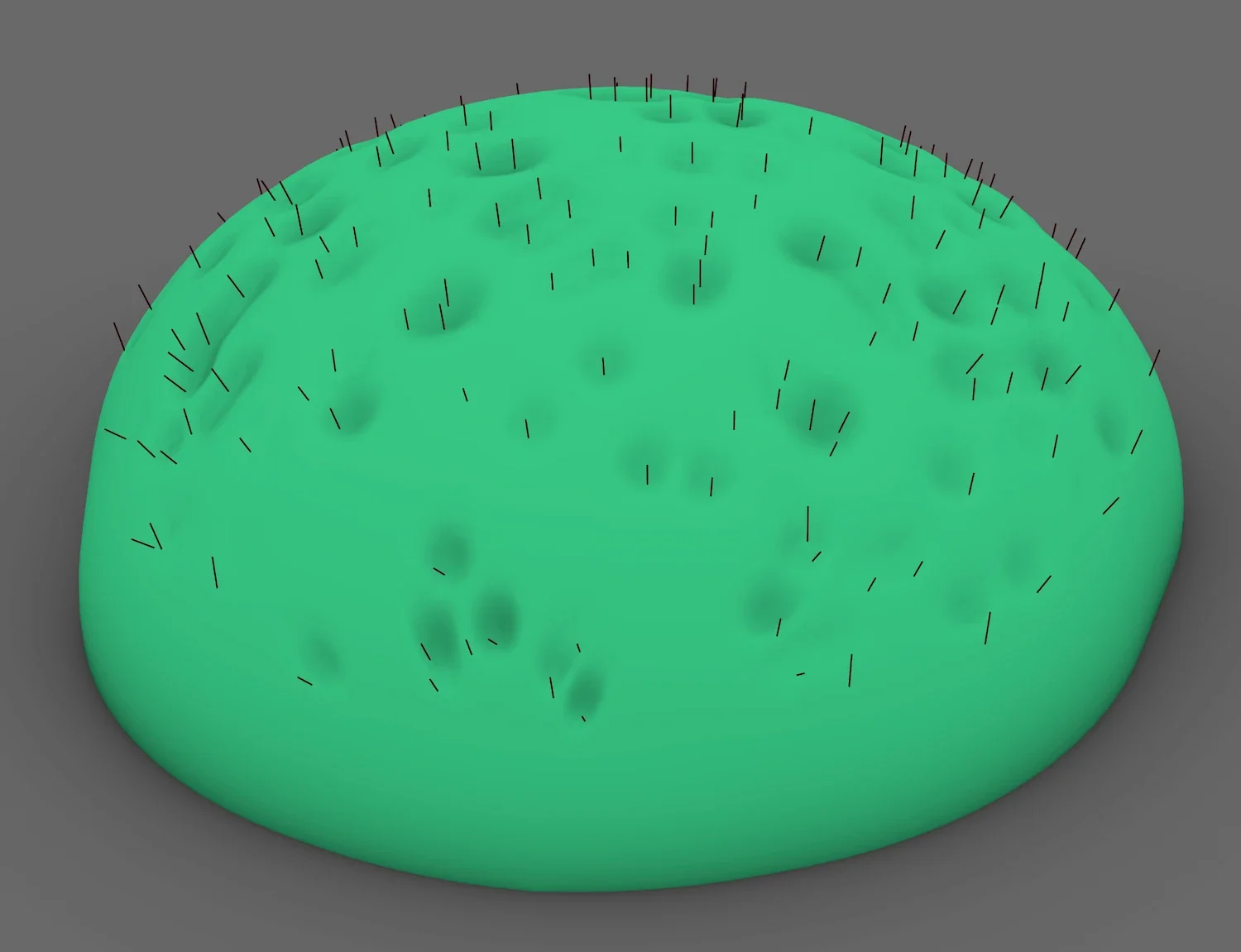
Mixed Vectors
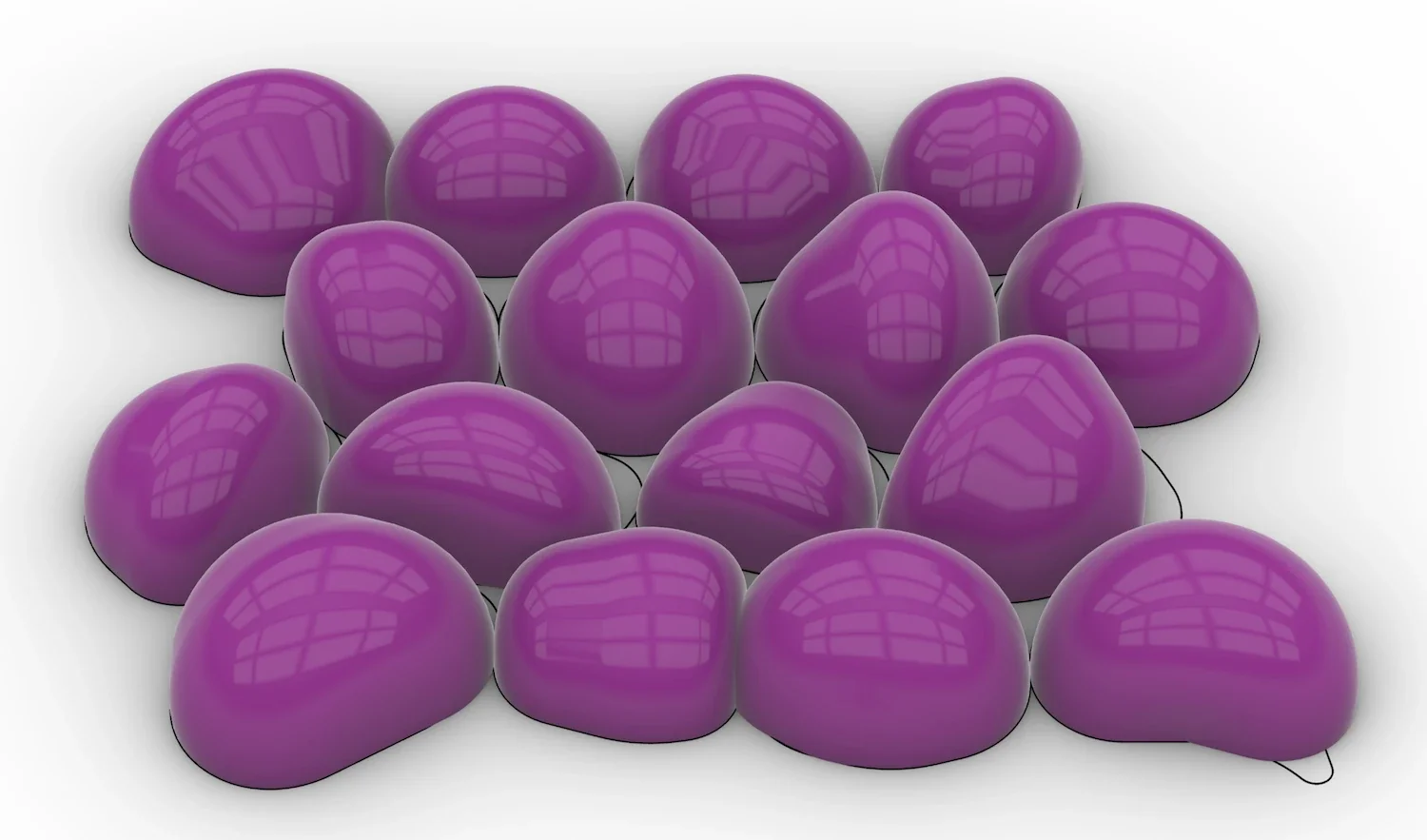
Surfaces of revolution around long axis
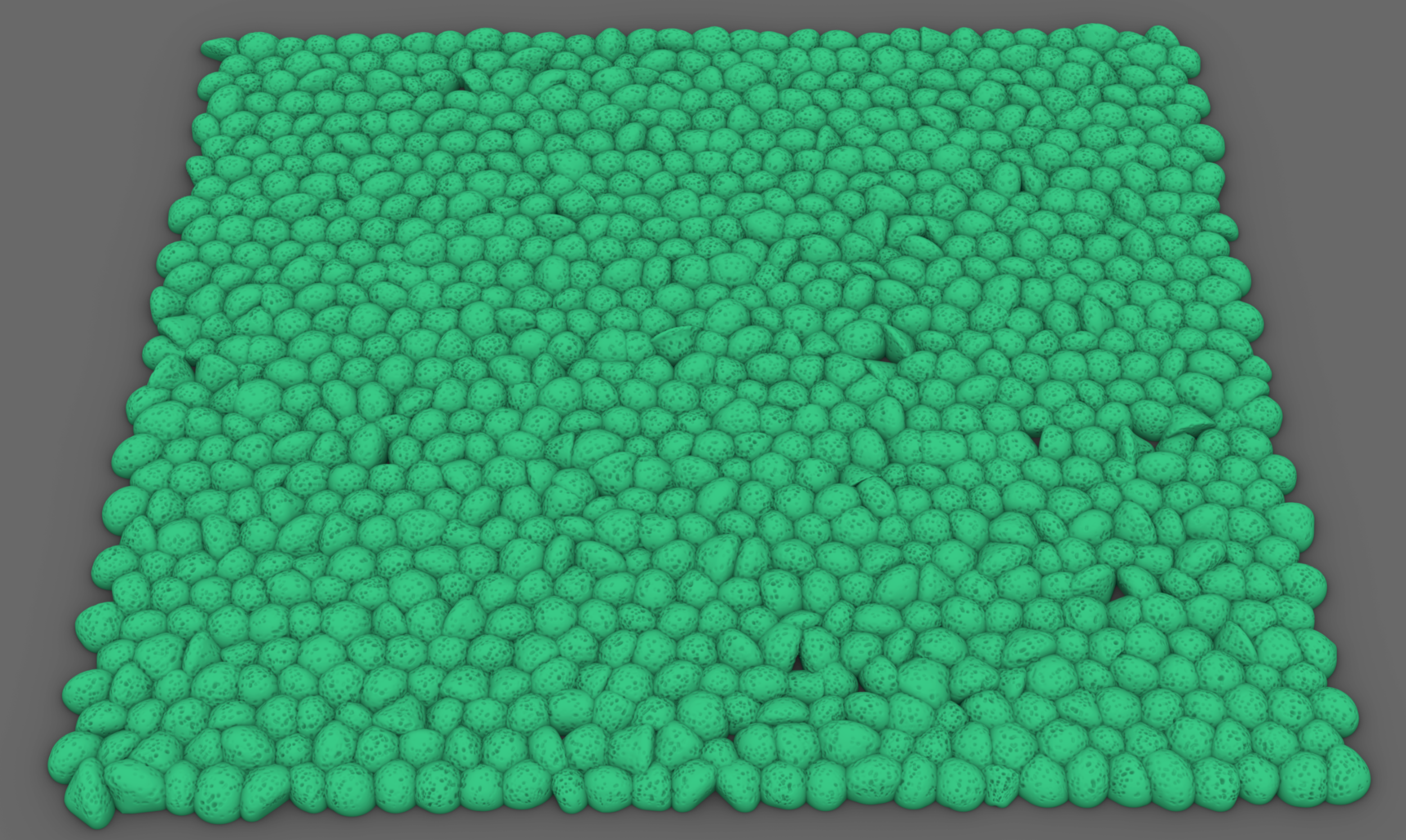
Randomize hexagonal cells into curves.
Find the longest axis within each curve.
Revolve the curve around this long axis to form a surface. (curve directions must be consistent).
Convert the Brep to a U,V surface.
Define 3 sets of points: below threshold, untouched, and hair cell points.
These points need to be grafted into individual branches on the data tree {N;M}.
Due to the computational complexity of the script, the Anemone Loop was used to transform one figure at a time.
The selected hair cell points are moved using a randomized, mixed (z and normal) vector.
All points are then merged back together, and the new U,V surface is rebuilt.
With typical engraving processes, hair cells are oriented either normal to the surface or along the z-axis. In nature, hair cells emerge at varying angles. This tool allows the designer to mix vectors to produce natural hair cells.
Concerning the algorithm, this script illustrates how to use Tree Statistics to cull then subsequently merge complex data structures.